Examples of release processes
Risk assessment
A risk assessment for a specific activity is often drawn up primarily by the occupational safety specialist. Finally, the manager responsible for the activity is involved and the GBU is then put into effect.
The approval of the manager may be sufficient for this. However, if a financial, time or personnel budget is required, the approval of a higher management level may also be necessary.
If the activity is carried out in different areas, it would make sense to involve the managers of these areas in the process as well.
Hazardous substances
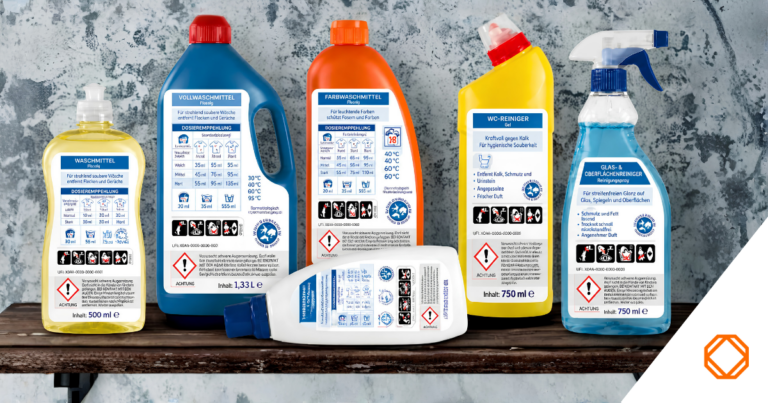
Hazardous substances can pose health or physical hazards, for example. A stain remover can have an excellent effect – while at the same time being classified as carcinogenic and/or flammable. Before such a substance is introduced into the company, it should therefore be checked whether the risk posed by the stain remover is acceptable for the intended activity.
Why release processes?
Particularly in occupational health and safety, there is often an inner need for security and certainty among the people involved. In addition, the persons involved are generally not authorized to issue instructions and the approval of the responsible or authorized manager is crucial for the success of occupational health and safety measures.
Sometimes, however, it’s the other way around: certain hazardous measures should not be taken in the company without the approval of the occupational safety specialist or the company doctor (or, in larger companies, the occupational health and safety department).
The what and how can be precisely defined via an approval process. The people involved can then base their actions on the existing approval.
As all persons relevant to the approval are involved, it can be assumed that all important aspects of a measure have been taken into account.
The approval process therefore ensures that approval has been granted for the approved measure.
Legal background
There is no legal obligation to introduce a release process.
However, carrying out an activity-related risk assessment is mandatory [1].
For activities involving hazardous substances, the risk assessment must include the resulting hazards, including the examination of substitution options [2].
These requirements are difficult to meet without a regulated process
Conclusion
An approval process provides both certainty (“is it permitted?”) and security (“has it been checked properly?”). Approval processes can be defined for any requirements (documents, objects, procedures, etc.). The approval process ensures that procedures are traceable and binding.
Sources
[1] § 5 Occupational Health and Safety Act
[2] § 6 Hazardous Substances Ordinance